07

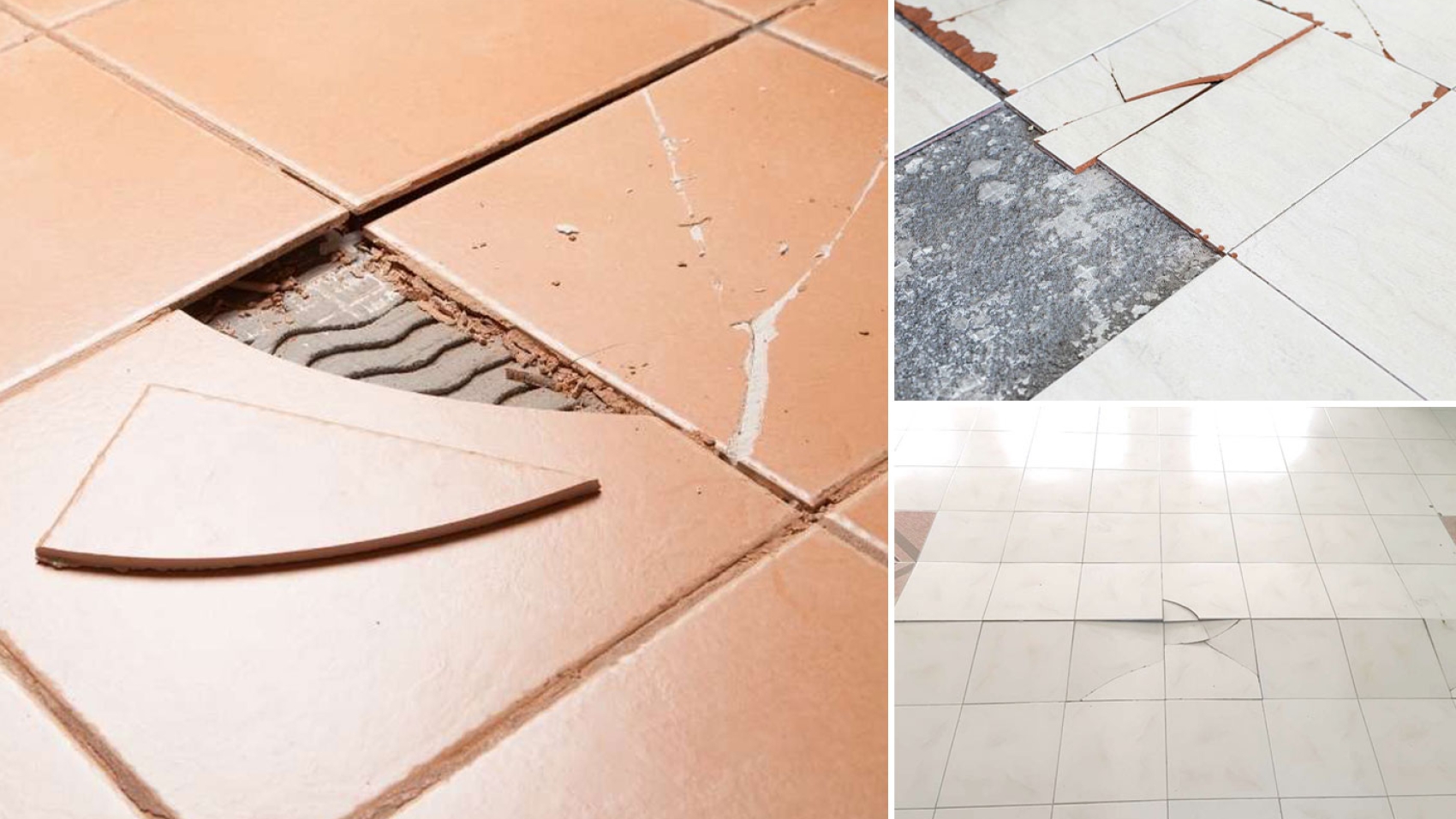
Breaking Old Tiles

PREFERRED SOLUTIONS

Tile-On-Tile application is an innovative and cost-effective solution that can help you fast-forward your next project.

One of the main reasons to break old floor tiles is to replace them with new ones. This is commonly done to update a room’s look and feel, or to repair broken or chipped tiles.

Key Challenges
• It is important to break old floor tiles if you are replacing the slab itself.
• It can be difficult to remove the broken pieces, and the process can take a lot of time and effort.
• Breaking old floor tiles is also a messy and expensive process.

Key Solutions
• Tile adhesives are a great way to lay tiles quickly and effectively, without the mess and hassle of traditional tile-laying methods.
• Tile adhesives helps to protect the floor slab from damage.
• They provide a strong bond between the tile and the floor.
• Tile adhesives provide a cost-effective way to lay tiles. There is no need of any expensive tools or materials.

06

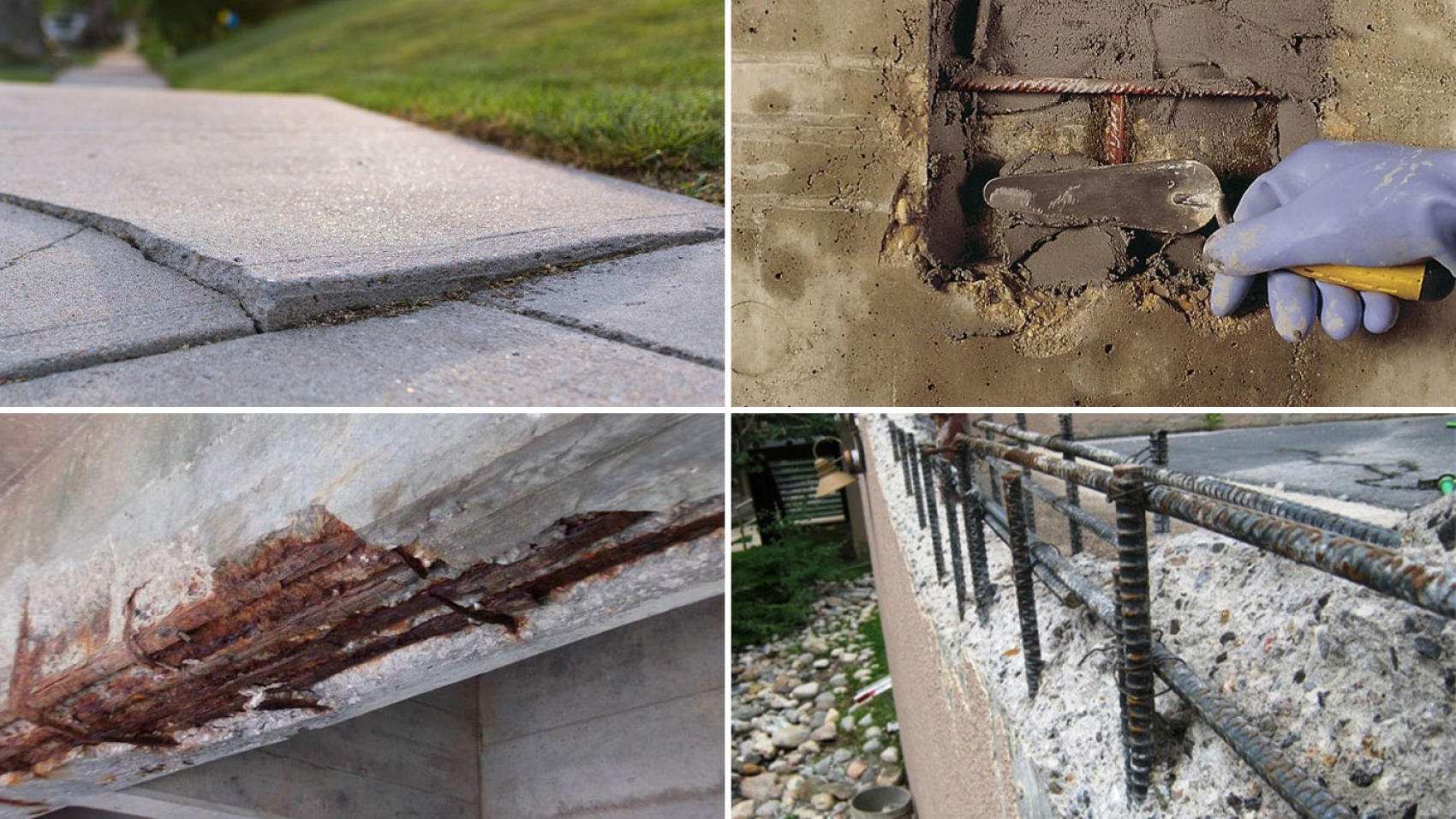
Concrete Repair

PREFERRED SOLUTIONS

Different materials react differently to the ravages of time and the elements.

Key Challenges
• The deterioration can take many forms, from fading and discoloration to crumbling or cracking.
• In some cases, the effects may be barely perceptible, while in others the deterioration can be quite noticeable.
• Scratches and dents, as well as changes in the physical structure of the material may be the cause of damage.

Key Solutions
• Keeping concrete clean is essential for maintaining a safe and attractive property. Use the right cleaning techniques to clean concrete.
• Concrete is a strong material, but too much weight can cause it to crack or chip.
• Certain chemicals can damage your concrete or leave behind an unsightly residue. Commonly used chemicals like bleach, detergent, and vinegar are typically safe, but always double-check to make sure.

08

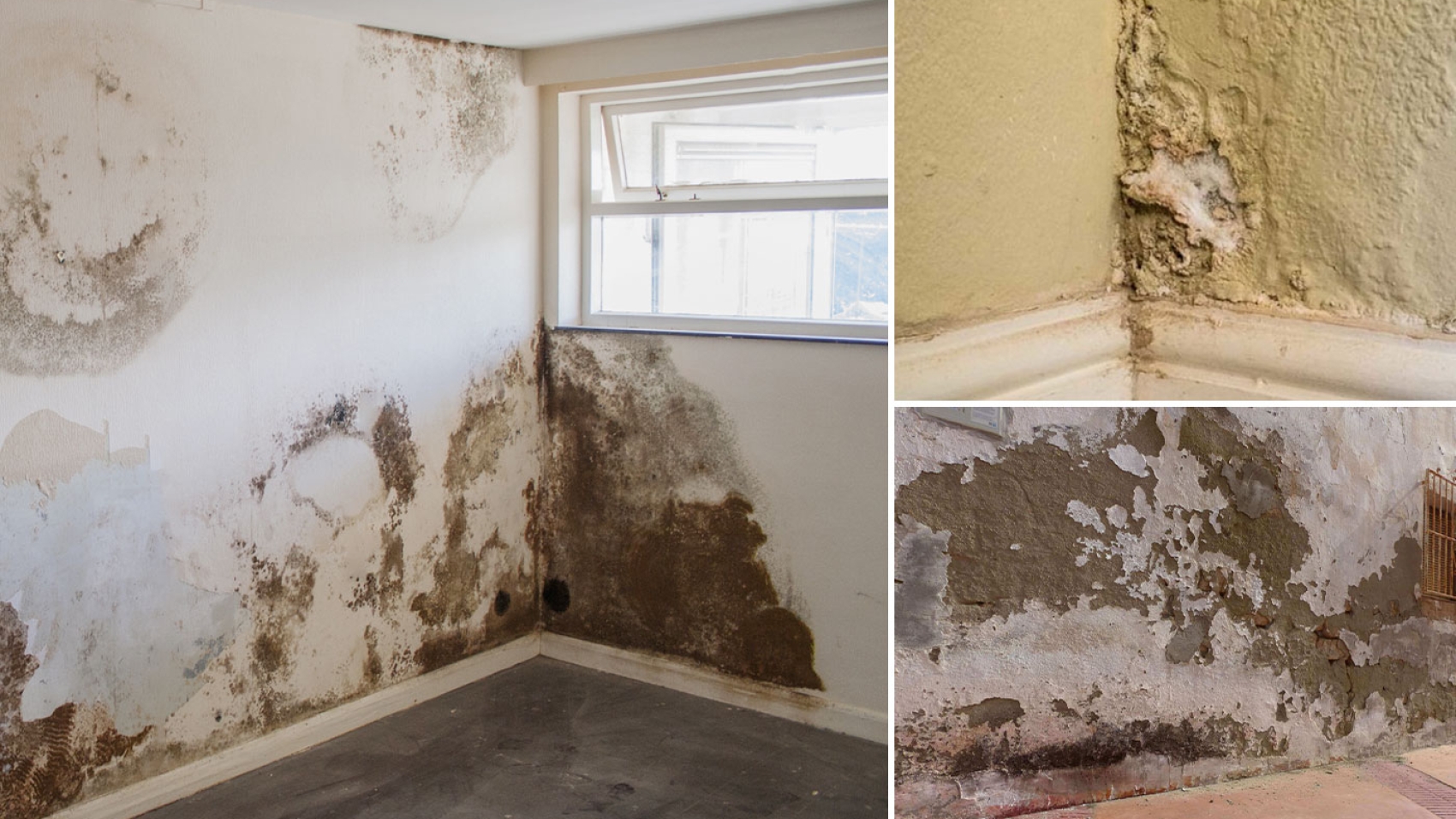
Damp in Wall

PREFERRED SOLUTIONS

Best possible solution to reduce the Damp in Wall is to enhance the drainage of the site.

Key Challenges
• Heavy rainwater can seep into the building and cause long-term damage.
• Damaged bricks are one of the most common signs of wear and tear.
• Leaking pipes is another major concern for damp in wall.
• Cracks can occur due to shrinkage of the mortar, foundation settling, or even water infiltration.

Key Solutions
• Fix broken guttering.
• Fixing leaking pipes, and replace porous bricks or painting over with water repellent materials.
• Additionally, cracks located around window frames, door frames, and walls should be filled in.
• Replace and fix broken or missing roof tiles.

05

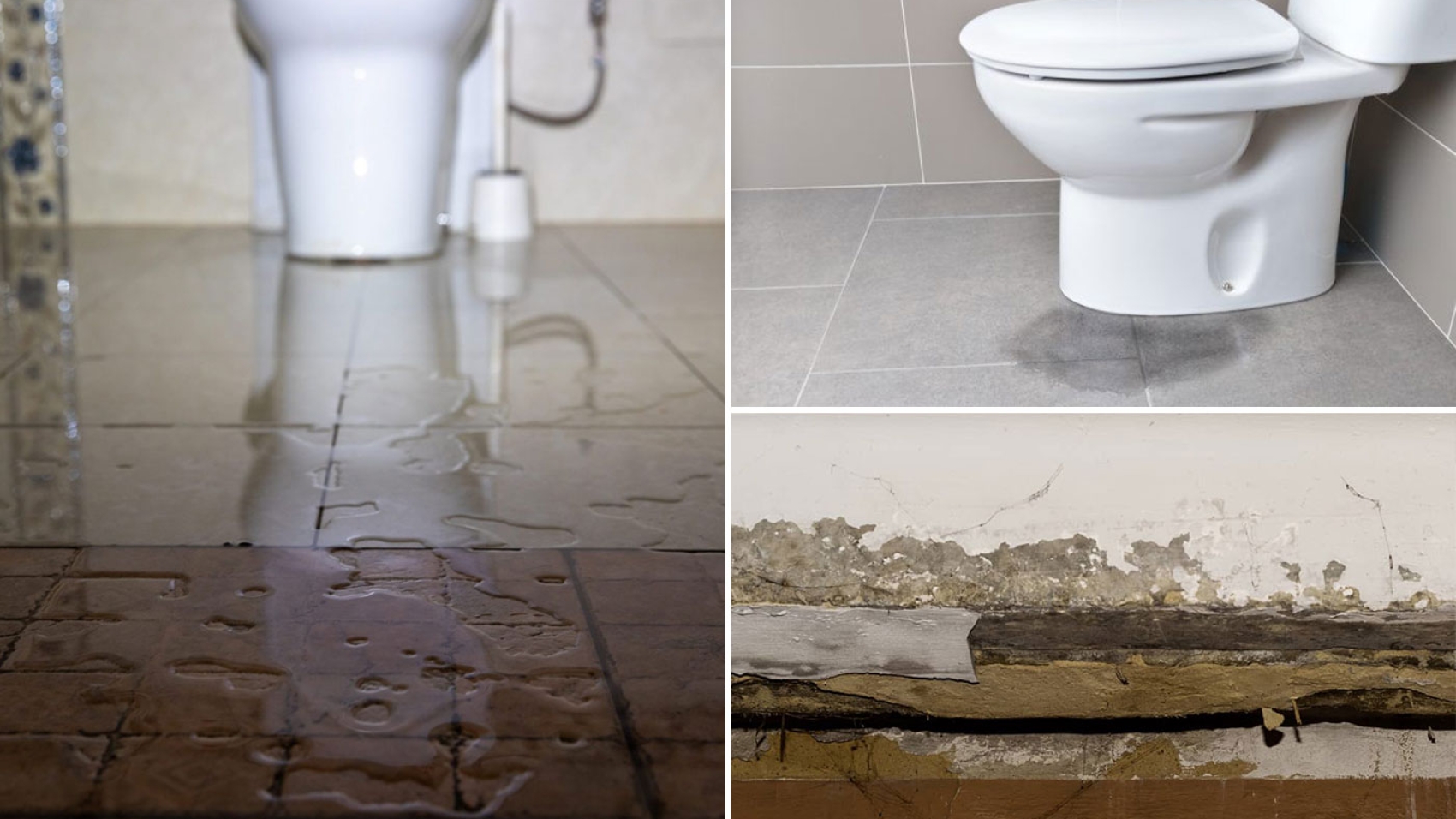
Leaking Bathrooms

PREFRRED SOLUTIONS

Simple steps to resolve the Leak Free Bathrooms.

The most common issue nowadays in almost every home is to deal with leaking bathrooms. Without adequate waterproofing, moisture can seep through the walls, causing damage to the structure of the bathroom and creating an environment ripe for mold and mildew growth.

Key Challenges

  • If the waterproofing is inadequate, the bathroom fixtures can also suffer from corrosion and water damage.
  • Use of low-quality materials is another reason for leaking bathroom.
  • Damp walls, paint flaking and a smelly bathroom in one more reason for leaks in bathroom.
  • Moreover, dirt and debris left in bathroom may cause leakage.

Key Solutions

  • Fix any damaged walls, flooring or surfaces or repair and re-paint it.
  • Self-curing is an effective and cost-efficient solution for maintaining a levelled and strong floor.
  • Additionally, cracks located around window frames, door frames, and walls should be filled in.
  • Replace and fix broken or missing roof tiles.
04

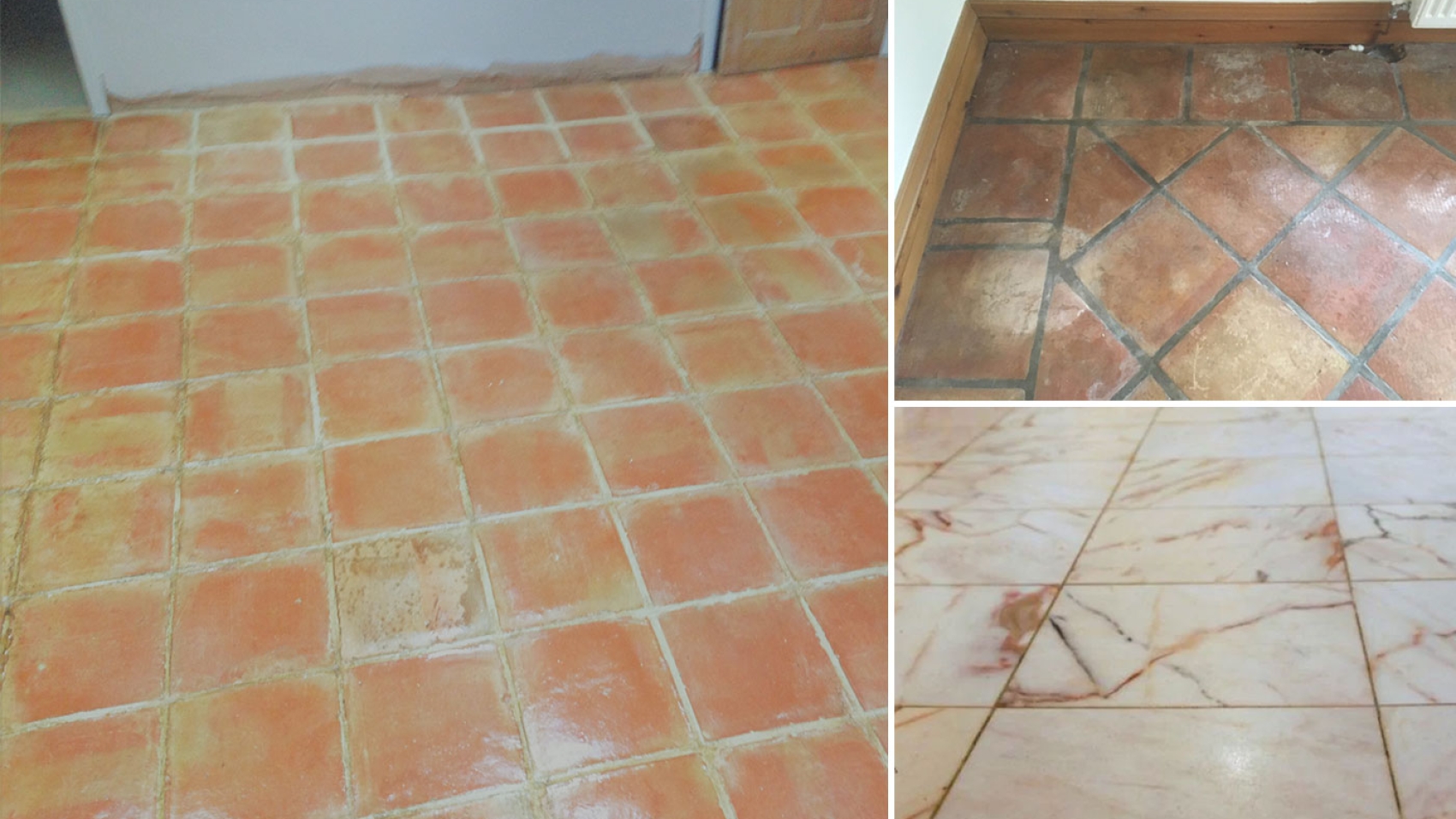
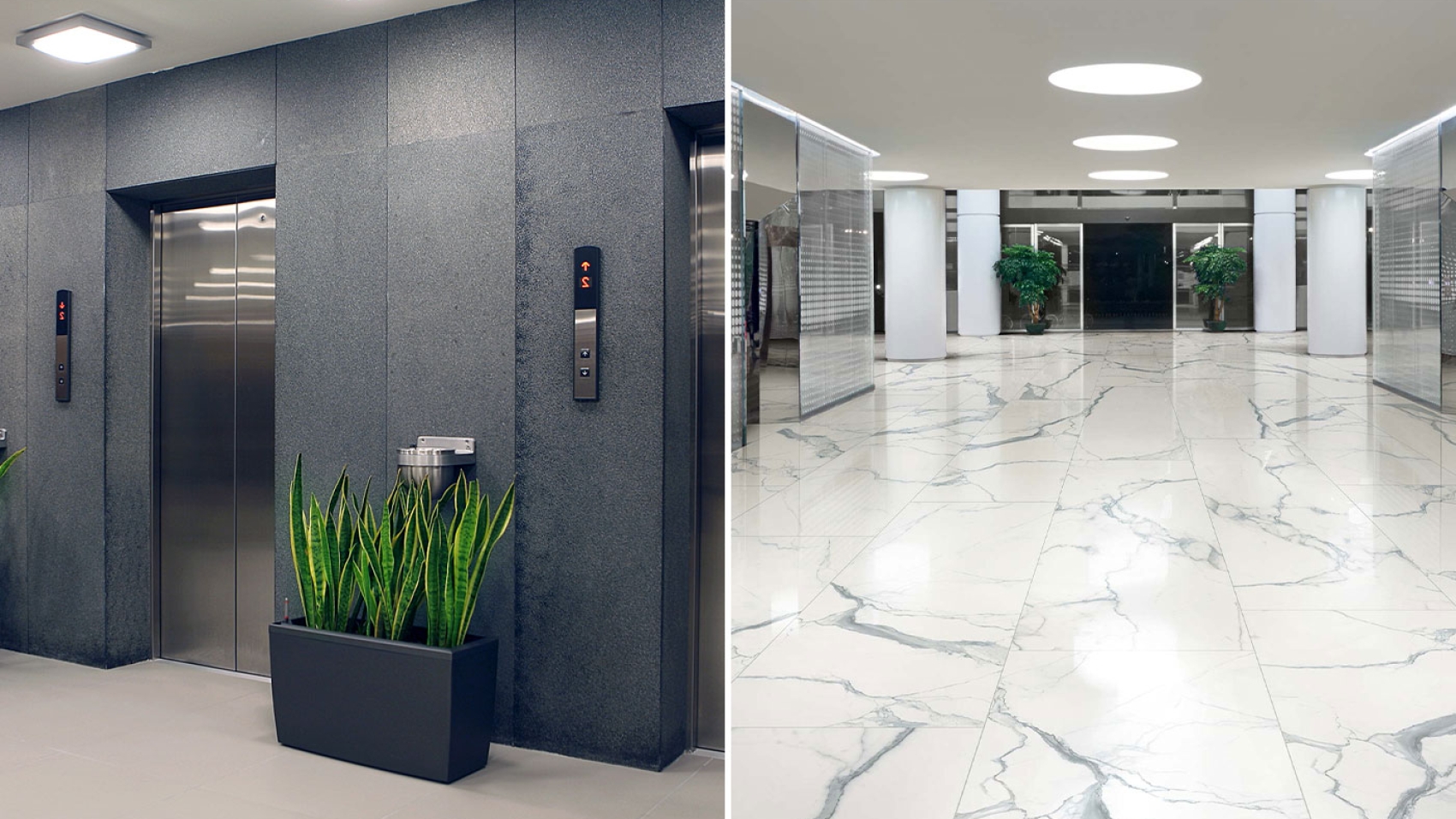
Stone Losing Beauty

PREFERRED SOLUTIONS

Protect your Stone with simple solutions.

Stone flooring is a great choice for many homeowners looking to add an elegant and timeless touch to their home. Unfortunately, stone flooring can start to lose its luster over time as dirt and stains take their toll.

Key Challenges

  • Absorption of dirt and stains from the top surface is a common problem for many surfaces.
  • Penetration of impurities from the bottom surface is one more issue that can cause damage to the surface.
  • Natural shine or luster can be affected without proper maintenance.

Key Solutions

  • Regular sweeping and mopping is essential to remove dirt and debris that can build up over time. Use mild detergent solution and a soft-bristled brush or use a stronger cleaning solution for oil-based stains.
  • Invest in area rugs or mats to help trap dirt and debris before it has a chance to settle on your stone flooring.
  • Apply sealer or coating to the surface for avoiding moisture or contaminants on the floor.
  • Include products, such as waxes, polishes, and protectants for bringing shine and lustre to the floor.
  • Using right quality of sealant can prevent staining, bond joints, and enhance the look and strength of stone surfaces.
01

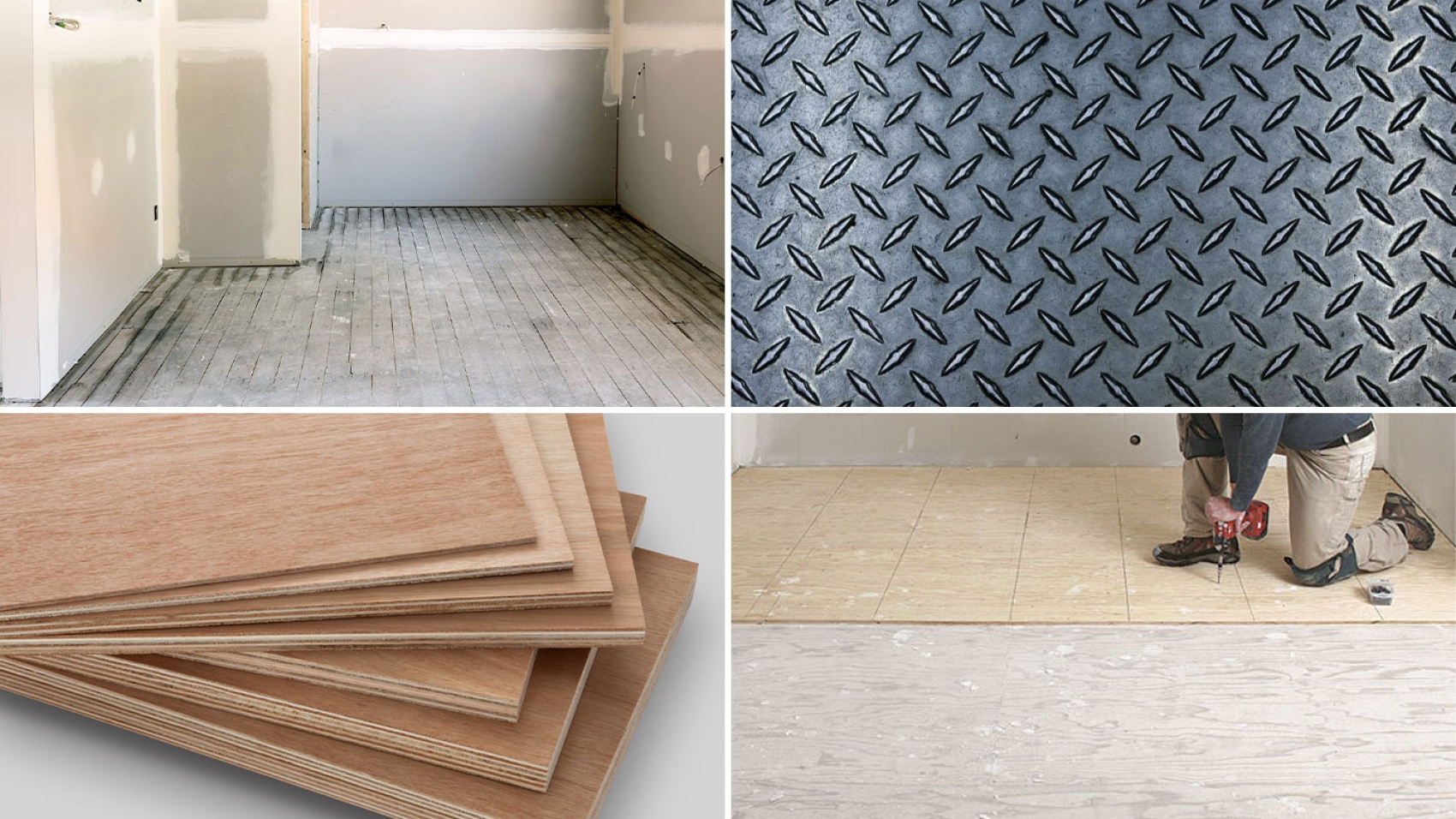
Fixing on Metal, Ply & Boards

PREFERRED SOLUTIONS

Special Solutions For Dry Wall Substrates.

Tile and stone fixing is quickly becoming a popular choice for many home and business owners due to its versatility and durability. It can be used on a variety of surfaces, such as metal and ply, and provides a long-lasting, attractive finish. This makes it a great choice for both interior and exterior settings.

Key Challenges

  • Critical substances, such as flammable liquids, hazardous chemicals, and combustible materials, can pose a serious danger to ceilings and other building components if not handled and stored properly.
  • Vibration prone areas, such as near air-conditioning units and other machinery, can also be damaging to ceilings.
  • If a ceiling is exposed to conditions like-high winds, heavy rains, or snow may damage the versatility & durability of tile & stone.

Key Solutions

  • All critical substances should be kept in properly labeled containers and stored in contained areas with adequate ventilation, and far away from any ignition sources.
  • Use materials that are designed to absorb vibration, such as foam or rubber, by implementing proper fastening techniques.
  • Avoid water or air infiltration.
  • Expansion anchors are ideal for situations where the installation needs to withstand extreme vibrations and conditions. They are suitable for a wide range of applications including mezzanine floors, elevators, stairs, and composite marble.
02

Big Tile & Stone Fixing

PREFERRED SOLUTIONS

Big Tile & Stone Fixing is the perfect adhesive for all your large-sized tile and stone needs.

Key Challenges

  • Big tiles are heavy compared to lightweight.
  • Very high risk to use with high strength adhesive materials.
  • Not suitable for the adherence of adhered material.

Key Solutions

  • The adhesive must be able to adhere to both the tile surface and the floor surface without causing a gap.
  • Very good adherence for tile and tile edges.
  • High quality adhesive. Very low water absorption. Good for both tiles & stone.
  • Stain-free & easy to clean hygienic and waterproof.
  • Easy to maintain & cleaning.
03

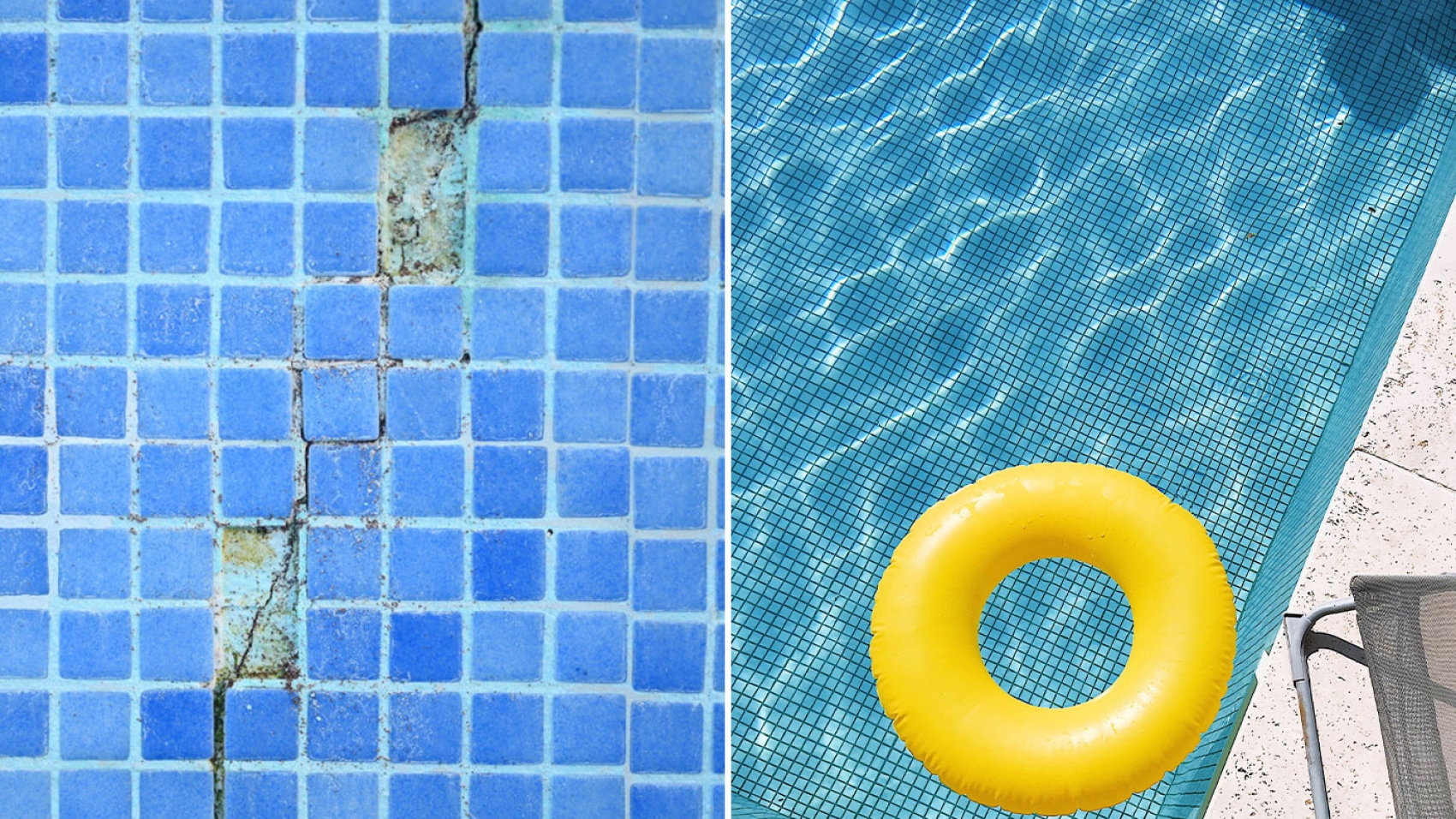
Chipped & Spoiled Swimming Pools

PREFERRED SOLUTIONS

A swimming pool is the perfect setting for your outdoor living space. Whether it’s a backyard, a patio, or even a deck, you can enjoy the benefits of having a swimming area. A pool can help you relax & help you feel calm.

Products like tile or tile based adhesive: Tiles and tiles adjusted with non-adhered materials (e.g. nonwoven, nonfiberglass) may damage the swimming pool.

Key Challenges

  • Very poor adherence for swimming pools with tile grouting.
  • Tiles that are very slippery may hazard to swimmers.

Key Solutions

  • Usage of strong leveled tiles and adhesives is recommended.
  • Maintaining Swimming Pool on timely duration is necessary.
aac_block

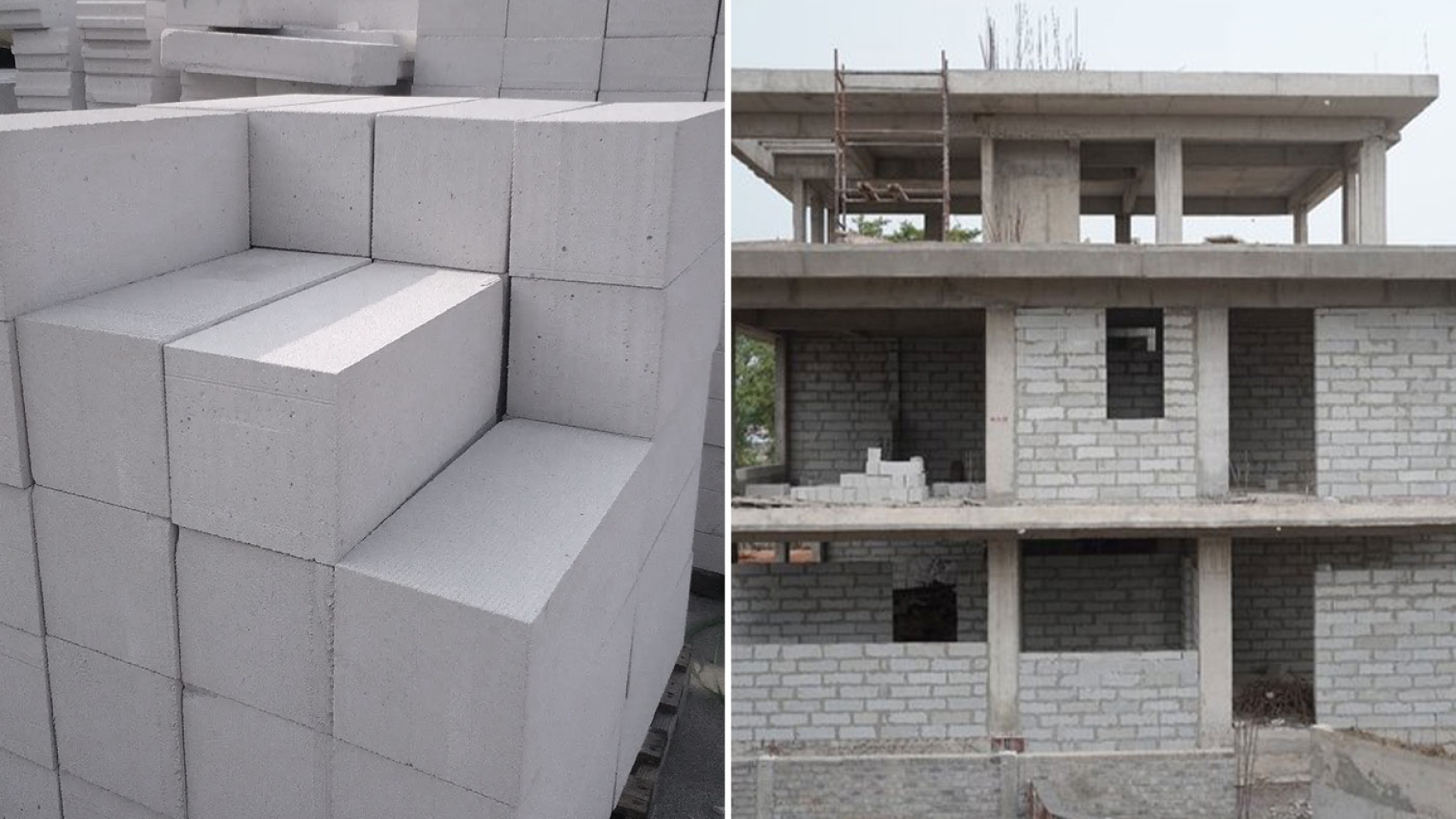
Green Building Technology – AAC Blocks

Creating an ideal “HOME” is everyone’s dream. Now a days, many advanced modern techniques are implemented in the construction of any building may it be a residential, commercial.

When creating your ideal home, the most important factor to consider is constructing with an eco-friendly materials to help the environment while also saving money. For example, burnt clay bricks are deemed inferior because of their impact on the environment. This is why Autoclaved Aerated Concrete Blocks (AAC Blocks) became a turning point on global level with high demand as they have superior benefits and are popular as well as pocket friendly.

Traditional Brick Walls were a leading source of pollution, which can include carbon dioxide, methane and even lead. These harmful substances are released by burning fossil fuels that create carbon dioxide emissions from the energy industry. By switching to AAC Blocks, you will contribute helping the environment and your wallet both. AAC blocks are made from 100% recycled materials, including crushed concrete from industrial waste rocks. The main advantage of incorporating AAC Blocks are they offer a lower carbon footprint and benefit from both fire resistant and sound proofing, making them an ideal addition to any home.

People are unaware about AAC Blocks. As a sustainable construction material it is composed of aggregates of calcined gypsum, quartz sand, lime, Portland cement and aluminum powder. Their sustainable characteristic differs from other materials and therefore used as a replacement of wood, concrete, steel and other conventional building materials. AAC Block is an environmentally friendly block material that is made from recycled materials that are safe for people, animals and all life on this planet. AAC Blocks are becoming increasingly popular as a low-cost, long-term replacement for conventional building materials around the world.

AAC Block, is a lightweight building material with good insulation properties and sound absorption properties. It provides excellent thermal performance for buildings with an advantage of conduction over convection. Because of their lightweight properties, the AAC Blocks can be efficiently and effectively to work with any building construction. Other than that, its also act as good moisture  resistance and so it can be used for walls and floors in residential, commercial and industrial applications, interior and exterior walls, ceilings, beams and columns.

Our AAC Blocks are the perfect option for your next home project. Easy to mix, handle and install, these blocks have the strength of concrete with the flexibility of a foam product. The specialty of these blocks are they are light in weight, strong and highly insulating. They’re formed from autoclaved hardened concrete that has low shrinkage, high tensile strength, and greater durability than stone or bricks. They are manufactured using a mixture of sand, cement and aggregate that is autoclaved after it has been mixed, kneaded and formed into bricks. They are durable and weather-resistant, and can be implemented in many different applications. They are being used as a building material in the construction of residential, commercial and industrial structures.

Features of AAC Blocks

Colour: Greyish White.

AAC Block Size: 50% lighter than Red Bricks, making it easier to transport.

Fire Resistant: Up to 6 hours without issue or damage.

Energy Optimization: Decrease of 20% – 25% in cooling cost.

Temperature Efficiency: Maximum increase over Clay Bricks.

Water Absorption: Have a lower water absorption rate than clay bricks, which reduces wastewater volumes by 10%.

Noise Absorption: Very less noise absorption upto 42 decibels approx.

Size and Costs

Thanks to modern technological advances, AAC blocks come in a variety of shapes, sizes, strengths and prices. AAC Blocks are an environmentally safe alternative to concrete and offer many advantages over standard building materials such as high durability and flexibility. It is one of the most widely used construction materials, compared to many other alternatives. The cost of an AAC block depends on quality, quantity purchased, shape and size. AAC blocks have been used by architects in recent years as a sustainable way to build using less energy and water.

Advantages of AAC Block

Using AAC (Autoclaved Aerated Concrete) blocks for building construction provides a number of advantages over traditional building materials:

Light Weight: Aerated Autoclaved Concrete (AAC) blocks are increasingly popular for many types of construction projects, from residential homes to large-scale commercial projects. Their lightweight design and superior insulation properties make them a great choice for any project. They are easier to handle and transport, and reduce the load on the building’s structure, makes them even more appealing option for architects, builders, contractors etc.

Earthquake & Fire-Resistance: When it comes to safety both in terms of Earthquake & Fire-Resistance, AAC blocks provide an additional layer of protection. They are excellent choice for areas that are prone to fire and other disasters like earthquakes, flood. They provide an additional layer of fire-resistance, reducing the spread of smoke and fumes and helping to protect against the risk of smoke inhalation.

Eco-Friendly: During any construction process, the most important factor to consider is to conserve environment. AAC blocks help conserve natural resources, and acts as an environmentally friendly alternative compared to traditional materials. They are the perfect solution for any building project as they require less energy and labor for installation, resulting in lower building costs.

Other than that, AAC Blocks are durable and last for several decades. They have also the capacity of reducing noise transmission and are easy to mold in any shape, size as per the requirement.

Disadvantages of AAC Block

Costly: The cost of AAC blocks are very high but the overall construction procedures is cost-effective.

Brittle: However, due to their brittle nature, special care needs to be taken when handling and transporting them. In addition, they require a thicker wall than red clay bricks when used alone. As a result, many builders opt for adding a layer of insulation around their buildings. Insulation helps to reduce the cost of heating and cooling, making it more energy efficient.

epoxy_grout

Epoxy Grout

Epoxy grout is designed to fill the small gaps between tiles and create a uniform surface. It is made from epoxy resins and hardeners, making it very strong and resistant to staining, cracking, and chipping. It is also very easy to clean and maintain, as it does not require the same level of regular maintenance as traditional grout. This helps to prevent water and other liquids from getting into the gaps, which can cause tiles to crack or break over time. The epoxy also helps to protect the tiles from scratches and other damage. The grout can also be used to fill larger gaps between tiles, such as those caused by uneven walls or floors.

Epoxy grout is a type of grout that offers a range of advantages for tiling projects:

Durability: Epoxy grout is extremely durable, making it ideal for use in high-traffic areas where tiles are likely to be exposed to wear and tear. Of all the grouts available, epoxy grout is the most durable and can last for decades. It is also highly resistant to water and other liquids, so it won’t be damaged by splashes and spills.

Color Retention: Epoxy grout is available in a range of colors, and it retains its color longer than other types of grout. This means that you don’t have to worry about fading or discoloration over time. Additionally, epoxy grout is also non-porous, which helps to prevent staining and discoloration from mold and mildew.

Versatility: Epoxy grout is a versatile material that can be used in a variety of tiling projects. It is suitable for both indoor and outdoor projects, and it can be used on all types of surfaces, including ceramic, porcelain, stone, and vinyl tiles.

Chemical Resistant: Epoxy grout is resistant to other environmental elements, such as extreme temperatures, water, and even radiation. This makes it ideal for a variety of industrial applications, such as the storage of volatile chemicals and the protection of sensitive equipment. One other thing why Epoxy Grout is an ideal choice for industrial environments is because, maximum usage of harsh chemicals are oftenly used in industrial workplace rather than any residential place. Though, its resistance to these elements also makes it an ideal choice for domestic use, as it will not be affected by everyday wear and tear.

Easy to Clean: Epoxy grout is very easy to clean and maintain. It is non-porous, so it won’t absorb spills and dirt like other grouts. All you need to do is wipe down the tiles with a damp cloth and the epoxy grout will be clean.

Cost-Effective: Epoxy grout is surprisingly cost-effective, especially when compared to other types of grouts. It is a great choice for those on a budget, as it is long-lasting and easy to maintain.

Budget Friendly: Overall, epoxy grout is an excellent choice for all types of tiling projects. It is highly durable, retains its color for long periods of time, and is easy to clean and maintain. Additionally, it is versatile and cost-effective, making it a great choice for those on a budget.

If you’re looking for a reliable and versatile tile joint filler, epoxy grout is definitely worth the hype. To learn more about tile fillers and how to use them, please don’t hesitate to get in touch with us. We will be happy to answer any questions you may have.